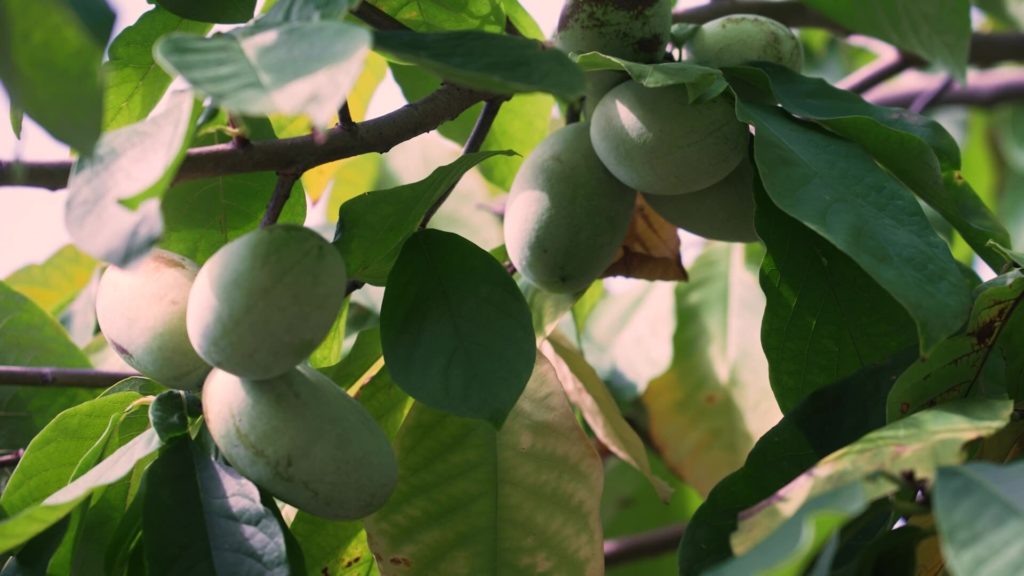
Tucked away in the temperate woodlands of the Eastern United States lies a secret fruit, often overlooked yet bursting with a flavor that transports you straight to the tropics. This is the Pawpaw, or Asimina triloba, America's largest native fruit, now experiencing a well-deserved resurgence. If you're hearing more about this unique produce, you're witnessing the start of a true Pawpaw Boom, as gardeners, chefs, and health enthusiasts alike discover its incredible potential. Imagine a fruit that tastes like a creamy blend of banana, mango, and even a hint of pineapple, all growing in your backyard, even in colder climates. The Pawpaw is more than just a novelty; it's a piece of American culinary history making a vibrant comeback.
Discovering the Pawpaw: America's Native Tropical Delight
The Pawpaw tree (Asimina triloba) is a deciduous fruit tree native to the rich, fertile soils of the southeastern United States. While its luscious fruit often leads people to believe it hails from more exotic climes, the Pawpaw is a true American original, having nourished indigenous peoples and early settlers for centuries. It's often affectionately referred to as the "American Custard Apple" or, as some cultures know it, the Indianenbanaan: The Unique, Nutritious Fruit Tree for Your Garden, a testament to its unique status as a banana-like fruit from the land of the Native Americans.
The tree itself is a beauty. Though relatively slow-growing, reaching an average height of 6-10 meters and a spread of 3-4 meters, its stature is graceful and manageable. Its large, dark green leaves, which can grow up to 30 centimeters long, hang in a distinct manner, giving the tree a distinctly tropical appearance, especially during the summer months. In spring, typically from April to May, the Pawpaw unfurls striking, bell-shaped purple-brown flowers, 4-6 centimeters in size, that emerge directly from bare branches. These peculiar blossoms are a prelude to the extraordinary fruit.
And what a fruit it is! The Pawpaw produces large, oblong to kidney-shaped fruits, typically 7-15 cm long and weighing up to half a kilogram. Its skin is initially green, turning yellowish-green or sometimes even slightly speckled brown when ripe. But it's the inner flesh that truly captivates: a creamy, pale yellow to golden-orange pulp with a custardy texture and a flavor profile that is utterly unique. Most describe it as a rich blend of banana and mango, often with notes of pineapple, vanilla, and even melon. This complex and intensely aromatic taste is what fuels the current Pawpaw Boom, drawing in those eager for a truly different fruit experience.
Cultivating the Pawpaw: Nurturing Your Exotic Fruit Tree
While the Pawpaw offers a taste of the tropics, it thrives in temperate climates, making it an excellent choice for many home gardens. However, successful cultivation requires a little understanding of its specific needs.
Site Selection and Soil Preparation
Pawpaws prefer a sunny location for optimal fruit production, though young trees (especially in their first year) can benefit from some afternoon shade to protect them from harsh sun, which can scorch their sensitive leaves. The key to a thriving Pawpaw lies beneath the surface: deep, humus-rich, well-drained soil is crucial. These trees have sensitive root systems, so it's vital to avoid disturbing the root ball during planting. A common pitfall for new growers is damaging the roots, making it harder for the tree to establish itself. Enriching the soil with compost and ensuring good drainage will set your Pawpaw up for success. Once established, the roots grow deep, anchoring the tree and helping it access nutrients and moisture.
The Art of Pawpaw Pollination
One of the most critical aspects of growing Pawpaws, and often the reason for limited fruit production, is understanding their unique pollination mechanism. Most Pawpaw varieties are not self-pollinating, meaning a single tree will not produce fruit reliably. For optimal fruit set, you generally need at least two genetically different Pawpaw trees planted within reasonable proximity for cross-pollination. Some newer cultivated varieties, like 'Prima 1216' and 'Sunflower', are partially self-fertile but will still yield significantly more fruit with a pollinator partner.
Adding to their distinctiveness, Pawpaw flowers are not pollinated by bees, which are typically attracted to bright, fragrant blossoms. Instead, their somewhat inconspicuous purple-brown flowers emit a faint, musky scent that attracts carrion flies and beetles. These pollinators, drawn to the scent of decay, inadvertently transfer pollen from one flower to another. The flowering period is relatively short, lasting about three weeks in spring, coinciding with the awakening of these specific insect pollinators. To maximize your chances of a bountiful harvest, especially in areas where natural populations of these insects might be low, some growers even resort to hand-pollination. For a deeper dive into this fascinating process and practical tips, explore our guide on Pawpaw Pollination: How to Ensure a Bountiful Exotic Fruit Harvest.
Care and Maintenance for a Bountiful Harvest
Pawpaw trees are relatively low-maintenance once established, but a few practices can ensure robust growth and fruit production. Their slow growth rate, averaging around 20 cm per year for larger trees, means patience is a virtue. However, this also makes them suitable for various garden sizes, as they can be kept at a desired height and spread through winter pruning. Regular watering, especially during dry periods and for young trees, is important, as is a layer of mulch around the base to retain soil moisture and regulate temperature. Protecting young saplings from harsh sun and severe frosts during their first few years is also advisable. While late frosts can sometimes damage early blossoms, the resilient Pawpaw often produces a second flush of flowers, still allowing for a good harvest later in the season. Fruits typically ripen in September and October, turning soft and fragrant, ready for picking.
The Pawpaw Boom: Why This Fruit is Gaining Traction
The burgeoning interest in Pawpaws isn't just a fleeting trend; it represents a growing appreciation for unique, native edibles and sustainable gardening. The current Pawpaw Boom is driven by several compelling factors:
A Unique Taste Experience
In a world saturated with common fruits, the Pawpaw offers a truly novel and exotic flavor profile that is surprisingly accessible. Its creamy texture and complex blend of tropical notes make it an instant favorite for those seeking new culinary adventures. It's a taste that surprises and delights, making it memorable and highly sought after by foodies and chefs.
Nutritional Powerhouse
Beyond its delectable taste, the Pawpaw is also a nutritional marvel. It's significantly richer in vitamins A and C than apples, peaches, or grapes, and boasts a substantial amount of protein, making it an unusually protein-dense fruit. Furthermore, it contains a good balance of minerals like potassium, magnesium, calcium, and phosphorus, along with essential amino acids and healthy fats. This impressive nutritional profile elevates the Pawpaw from a mere treat to a genuinely healthy food option.
Sustainability and Local Food Movement
As concerns about food miles and environmental impact grow, native fruits like the Pawpaw offer a sustainable alternative. Growing Pawpaws supports local ecosystems, reduces reliance on imported tropical fruits, and promotes biodiversity. Their natural hardiness and adaptability to temperate climates mean they often require fewer inputs than non-native fruit trees, aligning perfectly with the burgeoning local and slow food movements. This ecological benefit is a significant driver behind the Pawpaw Boom.
Garden Aesthetics and Novelty
Beyond its fruit, the Pawpaw tree itself is an attractive addition to any garden. Its large, tropical-looking leaves provide excellent shade and a distinctive visual appeal. The unique purple-brown flowers add an intriguing touch in spring, and the sight of its ripening, elongated fruits is always a conversation starter. For gardeners looking for something truly special, rare, and high-value, the Pawpaw checks all the boxes.
From Tree to Table: Enjoying Your Pawpaw Harvest
Harvesting Pawpaws is a tactile experience. Ripe fruits will easily detach from the branch with a gentle twist and will feel soft to the touch, similar to a ripe avocado or peach. They will also emit a strong, sweet aroma. Once picked, Pawpaws have a relatively short shelf life at room temperature, but can be stored in the refrigerator for 3-4 weeks, allowing you a decent window to enjoy your bounty.
The culinary possibilities for Pawpaws are surprisingly versatile. The most common way to enjoy them is simply fresh, scooped directly from the skin with a spoon, taking care to discard the large, inedible seeds. Their rich, creamy pulp makes them an excellent addition to smoothies, giving them an instant tropical upgrade. They can also be pureed and used in a variety of desserts, from ice cream, sorbets, and puddings to pies, tarts, and custards. Some creative cooks even incorporate Pawpaw into bread, muffins, or savory dishes, though its sweetness makes it predominantly a dessert fruit.
The Pawpaw Boom is more than just a passing fancy; it's a testament to the enduring appeal of native American produce and the growing desire for unique, flavorful, and sustainable food options. Whether you're a seasoned gardener or simply an adventurous eater, discovering the Pawpaw is an experience not to be missed. Its tropical taste, nutritional benefits, and fascinating history make it a fruit poised to reclaim its rightful place in our gardens and on our tables, bringing a little piece of American paradise to every bite.