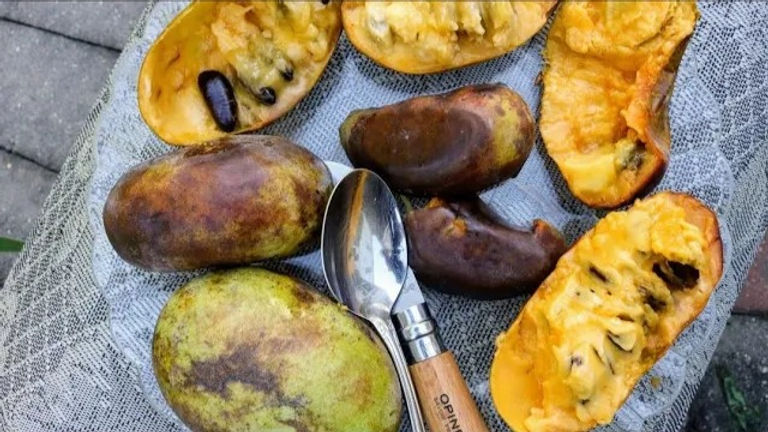
The allure of exotic fruits often conjures images of distant lands and tropical climates. Yet, nestled within the temperate zones, an extraordinary fruit tree is quietly experiencing a significant surge in popularity – the pawpaw. This unique American native, with its creamy, custard-like fruit reminiscent of a mango-banana blend, is quickly moving from obscurity to becoming a highly sought-after addition to home orchards. This growing interest marks a definitive Pawpaw Boom, captivating gardeners and fruit enthusiasts alike. However, achieving a bountiful harvest of this delightful fruit isn't always straightforward. Understanding the intricacies of pawpaw pollination is paramount to ensuring your trees produce the abundant, delicious yields you dream of.
The Alluring Pawpaw: An Exotic Garden Gem
Known scientifically as Asimina triloba, the pawpaw tree is a fascinating specimen that brings a touch of the tropics to temperate gardens. Its large, lush green leaves, which can grow up to 30 centimeters long and gracefully droop, give the tree a distinctly exotic appearance. In the summer, these leaves mature to a matte green, contributing to its overall lush aesthetic. Despite its tropical look, the pawpaw is remarkably hardy and well-adapted to cooler climates, having originated in the southeastern United States.
While a slow grower, typically increasing in height by about 20 cm per year once established, a mature pawpaw can reach an impressive height of 6 to 10 meters and a width of 3 to 4 meters. Its manageable growth rate and responsiveness to winter pruning make it suitable for a variety of garden sizes and styles, allowing gardeners to maintain it at their preferred height.
But the true star of the pawpaw is its fruit. Appearing in September and October, these oblong, often sausage- or potato-shaped fruits vary in length from 7 to 15 cm and can weigh up to half a kilogram. Their aroma is captivating, and their flavor is an unforgettable blend, often described as a mix of banana, mango, and even a hint of pineapple. Beyond their exquisite taste, pawpaw fruits are highly nutritious, boasting significant levels of Vitamins A and C, along with a surprising amount of protein. Once harvested, they can be stored in a refrigerator for up to 3-4 weeks, extending their enjoyment. To delve deeper into this incredible fruit, you might enjoy Discover the Pawpaw: America's Tropical Banana-Mango Fruit.
The tree's beauty isn't limited to its foliage and fruit. In early spring, typically from April to May, the pawpaw produces striking purplish-brown to dark brown, bell-shaped flowers, each measuring 4 to 6 centimeters. These unique blossoms emerge on bare branches and last for about three weeks, adding an intriguing visual element to the early garden.
Unlocking the Mystery of Pawpaw Pollination
For many aspiring pawpaw growers, the biggest hurdle to a successful Pawpaw Boom is understanding its unique pollination requirements. Unlike many fruit trees that rely on bees for pollination, most pawpaw varieties are not self-pollinating. This means a single pawpaw tree, while it may flower profusely, will often fail to produce fruit on its own. The primary reason for this is self-incompatibility: a tree's pollen cannot fertilize its own flowers, nor can it fertilize flowers on a genetically identical tree.
The Crucial Role of Cross-Pollination
To ensure optimal fruit production, cross-pollination is absolutely essential. This requires planting at least two genetically distinct pawpaw trees. The pollen from one tree must be transferred to the flowers of another genetically different tree. While some newer varieties, such as 'Prima 1216' and 'Sunflower', are considered partially self-fertile, their yields are still significantly boosted when cross-pollination occurs. Therefore, the general recommendation remains to plant multiple distinct varieties for the best possible harvest.
Unconventional Pollinators
Perhaps the most remarkable aspect of pawpaw pollination is its reliance on pollinators other than the ubiquitous honeybee. Pawpaw flowers are primarily pollinated by carrion flies and beetles. These insects are attracted to the flowers' unique purplish-brown hue and a subtle, musky scent that can mimic the smell of decaying organic matter, which is irresistible to them. The timing of the pawpaw's flowering period in early spring conveniently coincides with the awakening and activity of these specific insects, facilitating natural pollination. While perhaps not as charming as buzzing bees, these often-overlooked garden helpers are indispensable for a pawpaw's fruit set.
The Option of Hand-Pollination
For those with a single pawpaw tree, or if natural pollination seems insufficient (perhaps due to a lack of carrion flies or beetles in the area), hand-pollination is a viable, albeit labor-intensive, solution. This involves gently collecting pollen from a genetically different pawpaw flower (ideally from another tree, or a compatible self-fertile variety) using a small paintbrush and then carefully transferring it to the stigma of another pawpaw flower. This method ensures direct pollen transfer and can significantly improve fruit set in challenging situations.
Cultivating a Bountiful Pawpaw Harvest: Practical Tips
Beyond understanding pollination, successful pawpaw cultivation hinges on providing the right growing conditions and consistent care. By following these practical tips, you can greatly increase your chances of a plentiful yield and contribute to the flourishing Pawpaw Boom.
- Site Selection is Paramount: Pawpaws thrive in a sunny location. While young trees benefit from some protection from intense afternoon sun in their first couple of years, mature trees prefer full sun for optimal fruiting. The soil should be deep, humus-rich, and well-drained. This allows the tree's sensitive root system to establish itself without becoming waterlogged.
- Strategic Planting for Pollination: As emphasized, plant at least two different varieties of pawpaw trees. Research varieties known to be good cross-pollinators. When planting, ensure ample space for root growth and be exceptionally careful not to damage the root ball, as pawpaws are sensitive to root disturbance.
- Consistent Moisture and Mulch: Pawpaws appreciate consistent soil moisture, especially during dry periods and as the fruit develops. A generous layer of organic mulch around the base of the tree (but not touching the trunk) is highly recommended. Mulch helps retain soil moisture, regulate soil temperature, and suppress weeds, all of which contribute to a healthy root system and vigorous growth.
- Protecting Young Trees: While hardy, young pawpaw trees are more vulnerable. Protect their delicate trunks from harsh sun with a tree guard or shade cloth, especially in the first few years. Similarly, in regions prone to late spring frosts, covering young trees can prevent damage to early blossoms. Even if the first flush of flowers freezes, pawpaws often produce a secondary set of blossoms later in the season, still offering a chance for a good harvest.
Nurturing Your Pawpaw Trees: Care and Maintenance for Peak Production
Once established, pawpaw trees are relatively low-maintenance, but ongoing care will ensure their health and productivity for years to come. Their slow-growing nature makes them an adaptable choice for many gardens, a point further highlighted in Indianenbanaan: The Unique, Nutritious Fruit Tree for Your Garden.
Thoughtful Pruning for Health and Shape
Pawpaws generally don't require extensive pruning due to their slow growth. However, strategic winter pruning can maintain a desired height and shape, improve air circulation within the canopy, and encourage better light penetration for fruit development. Focus on removing dead, damaged, or diseased branches, as well as any crossing branches that might rub and create wounds. This also helps in keeping the tree manageable, especially for harvesting the heavy fruits.
Nourishing the Soil
While pawpaws aren't heavy feeders, a healthy, humus-rich soil is key to sustained growth and fruit production. Annually, consider top-dressing with well-rotted compost or a balanced organic fertilizer in the spring. This replenishes essential nutrients and supports the vibrant ecosystem within the soil, which in turn supports a thriving tree.
Vigilance Against Pests and Diseases
One of the appealing aspects of pawpaw trees is their general resistance to many common pests and diseases that plague other fruit trees. However, it's always wise to remain vigilant. Regularly inspect your trees for any signs of unusual leaf discoloration, wilting, or insect activity. Early detection and intervention, often with organic solutions, can prevent minor issues from escalating.
Root Zone Management
Given the pawpaw's sensitivity to root disturbance, it's crucial to minimize digging or tilling around the base of the tree. The previously mentioned mulch layer is not just for moisture retention; it also protects the shallow root system from physical damage and temperature extremes, allowing the tree to establish itself firmly and thrive without undue stress.
The pawpaw tree, with its tropical charm, hardy nature, and delectable fruit, offers a unique and rewarding experience for any gardener. By understanding its specific pollination requirements and implementing thoughtful cultivation practices, you can successfully navigate the journey from flowering branches to a basket overflowing with these exotic treasures. Embrace the Pawpaw Boom, and you'll be well on your way to enjoying a bountiful harvest of America's forgotten fruit, adding an unparalleled distinction to your garden and your palate.